

This guide gives you a clear, step-by-step plan. You will learn which channels work, how to set a budget, how to measure results, and how to get started in 90 days. No filler. No theory overload. Just a practical roadmap built for small business owners.
What You Will Learn
- Why tactics without a strategy waste money
- How to identify your audience and set real goals
- Which digital channels deliver results for small businesses
- How AI tools help you compete without a big team
- How to plan your budget and track ROI
- A 90-day digital marketing strategy blueprint
- How 99 Creatives builds marketing systems that grow
Why Tactics Without a Strategy Waste Money
Boosting a Facebook post is a tactic. Running a one-off Google Ad is a tactic. Posting on Instagram when you remember is a tactic. None of these is a strategy.
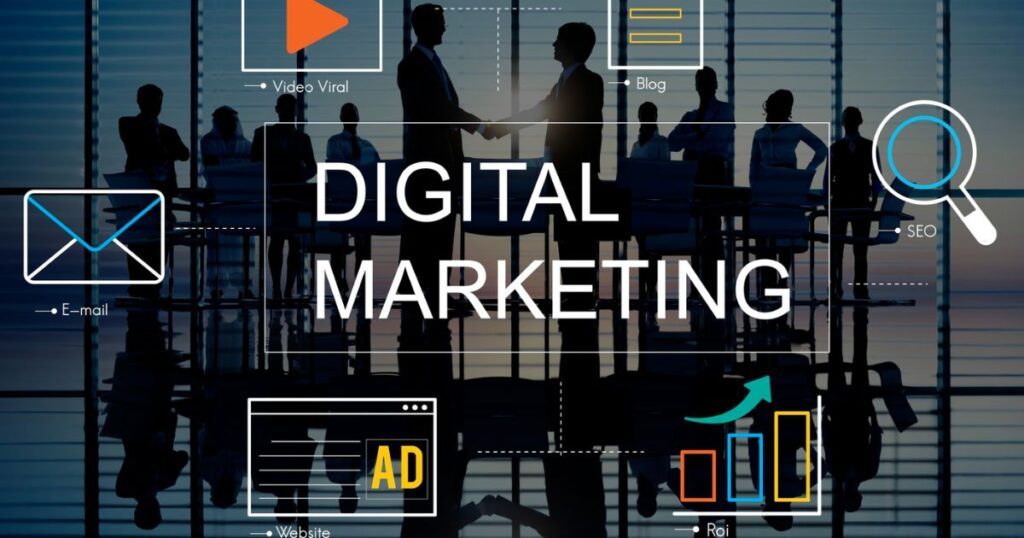
An online marketing strategy for small businesses ties every activity to a goal. It connects your SEO, your ads, your content, and your email into one system. Each channel feeds the others. Your SEO builds authority. Your content feeds your email list. Your email nurtures leads. Your website converts them. Everything works together instead of separately.
Without that system, you are spending money on guesswork. Just 3 in 5 marketers believe their strategy is actually effective. Small business digital marketing becomes powerful only when every channel has a purpose and a measurable outcome.
Step 1: Know Exactly Who Is Your Customer
Most small businesses make the same mistake. They try to reach everyone. That means they reach no one effectively.
Before choosing any channel, define your ideal customer clearly. Go beyond age and location. Answer these questions:
- What specific problem does your product or service solve?
- What does their buying journey look like from first search to final purchase?
- Which platforms do they use and when?
- What makes them hesitate before buying?
- Why would they choose you over a competitor?
For local businesses, geographic targeting is critical. Over 60% of web traffic now comes from mobile devices. Knowing whether your customers search “near me” on mobile at lunch or browse on desktop at night shapes which channels and times give the best results.
A clear customer profile makes your online marketing strategy for small businesses focused. Focused beats broad at every budget level.
Step 2: Set SMART Goals, Not Vague Intentions
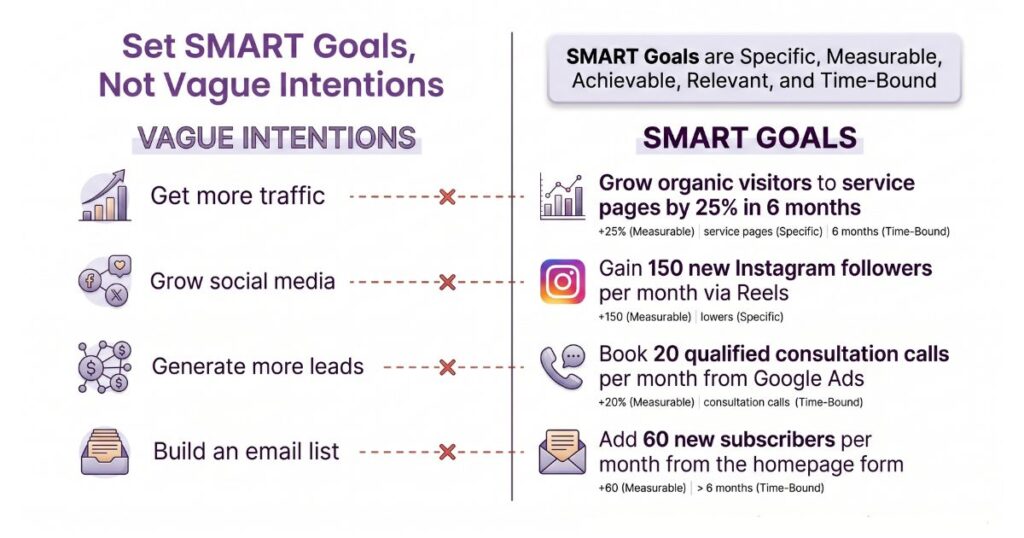
“Get more sales” is not a goal. It has no target, no timeline, and no way to measure progress.
SMART goals are Specific, Measurable, Achievable, Relevant, and Time-Bound. Here is what that looks like in practice:
| Vague Goal | SMART Goal |
| Get more traffic | Grow organic visitors to service pages by 25% in 6 months |
| Grow social media | Gain 150 new Instagram followers per month via Reels |
| Generate more leads | Book 20 qualified consultation calls per month from Google Ads |
| Build an email list | Add 60 new subscribers per month from the homepage form |
SMART goals do two things. They tell you what to build toward. They tell you whether your strategy is working. Without them, you cannot make smart decisions about where to spend your budget. Only 20% of businesses currently measure marketing success by leads generated.
Step 3: Map the Customer Journey Before Picking Channels
This step is missing from most marketing guides. Businesses jump straight to channel selection without asking where their customer is in the buying process.
Every buying journey has three stages:
Awareness. The customer realizes they have a problem. They are searching for information, not vendors yet. SEO, content marketing, and social media capture attention here. 70% of internet users prefer learning about products through content rather than ads.
Consideration. The customer is comparing options. Reviews, case studies, landing pages, and retargeting ads do the work here. Over 90% of people read reviews online before making a purchase decision.
Decision. The customer is ready to act. Strong calls to action, clear pricing, and follow-up email sequences convert interest into sales here. 65% of high-intent searches result in an ad click.
Sending cold ad traffic to a homepage with no clear offer wastes budget. Sending warm email subscribers to a purpose-built landing page converts much better. Mapping the journey first makes every dollar go further.
The Most Effective Digital Marketing Channels for Small Businesses
Search Engine Optimization
SEO makes your website appear when customers search for what you offer. For small businesses, it is one of the highest-return long-term investments available. 49% of marketers say organic search delivers the best ROI of any channel.
Local SEO is especially powerful. When someone searches “accountant in [city]” or “best plumber near me,” your Google Business Profile and locally optimized pages determine whether you appear. Optimizing both is often the single best move a local business can make. It costs more time than money, and the results compound over months and years. 72% of consumers use Google to find local businesses, and 97% check a business online before visiting in person.
Key SEO priorities for small business digital marketing:
- Keyword research based on what your customers actually search
- Page titles, headings, and meta descriptions optimized for target keywords
- Site speed and mobile performance improvements
- Consistent business listings across Google, Yelp, and other directories
SEO results build over 6 to 12 months. Businesses investing in it now will dominate local search next year.
Tools to use: Google Search Console, Google Business Profile, Semrush, Ahrefs
Pay-Per-Click Advertising
PPC ads put your business at the top of Google search results right away. You choose the keywords. You pay only when someone clicks. This makes PPC one of the most controllable channels in online marketing for small businesses. Google Ads delivers an average 200% ROI, returning $2 for every $1 spent.
PPC works best for high-intent searches. People searching “emergency plumber [city]” or “tax accountant for freelancers” are ready to act. Showing up at that moment with a clear offer converts at a high rate.
Combined with SEO, PPC creates a strong approach. SEO builds sustainable visibility over time. PPC generates leads while that foundation grows. Together they capture demand at every stage of the search journey.
Tools to use: Google Ads, Microsoft Advertising, Google Keyword Planner
Social Media Marketing
Social media is a relationship channel, not a broadcasting channel. The businesses that grow on social are not the ones posting the most. They are the ones posting content that earns real engagement from a specific audience. 91% of marketers say social media has increased their business exposure.
Platform selection matters more than being everywhere. Choose based on where your customers actually spend time:
| Platform | Best For |
| Instagram and TikTok | Visual products, lifestyle brands, audiences under 40 |
| Local services, community building, event promotion | |
| B2B services, professional services, thought leadership | |
| Home decor, fashion, food, wedding and event industries | |
| YouTube | Product demos, tutorials, brand storytelling |
Paid social ads on Facebook, Instagram, and TikTok let you reach precisely targeted audiences. 32% of marketers say TikTok consistently delivers the highest ROI of any social platform.
Video Marketing
This channel is missing from most competitor guides. That is a mistake. Video is now the dominant content format across every major platform.
Short-form video on TikTok, Instagram Reels, and YouTube Shorts generates more organic reach than any other content type for most businesses. 93% of brands say they acquired a new customer directly from a social media video. You do not need a production studio. A smartphone and decent lighting are enough to create:
- Behind-the-scenes business content
- Quick tips and how-to answers
- Customer testimonials
- Product demonstrations
Video feeds your social channels, improves time-on-site which helps SEO, and boosts email click rates when embedded in campaigns. It is one asset that works across multiple channels at once.
Content Marketing
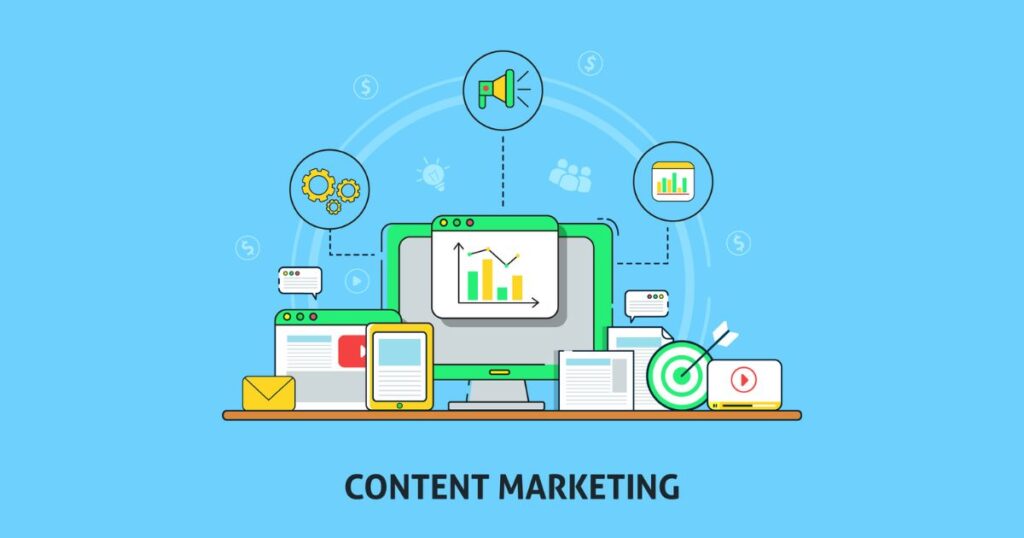
Blog posts, guides, FAQs, and case studies position your business as a trusted expert. Customers who find your content while researching already trust you before they reach out.
Content marketing compounds over time. A well-optimized blog post can drive traffic for years. It also creates material for social media, email campaigns, and ad copy. You write it once and it works across multiple channels. Businesses that blog consistently receive 67% more leads per month than those that do not. Content marketing costs 62% less than traditional marketing and generates three times as many leads.
The most effective content answers questions your customers are already searching. Examples:
- “How much does [your service] cost in [city]?”
- “What is the difference between X and Y?”
- “How do I know if I need [your service]?”
These are the searches that lead directly to buying decisions.
Email Marketing
Email delivers the highest return on investment of any digital channel. Your email list is yours. It does not disappear when an algorithm changes. The average return is $38 for every $1 invested in email marketing.
For small businesses, email does two jobs. It nurtures leads who are not ready to buy yet, keeping your business visible during their decision process. It retains existing customers by staying top of mind between purchases.
An effective email system for small business digital marketing includes:
- A welcome sequence for new subscribers
- Regular value-driven content, not just promotions
- Campaigns segmented by customer behavior or interests
- Re-engagement sequences for contacts who have gone quiet
Segmented email campaigns drive 760% more revenue than non-segmented ones. Automated email campaigns generate 320% more revenue than campaigns sent manually.
Tools to use: Mailchimp, Klaviyo (best for e-commerce), ConvertKit
AI Tools
No competitor guide covers this. It is one of the most important shifts in digital marketing for small business right now.
AI tools have changed what one person can produce. A single person with the right tools can now research keywords, write first drafts, create social graphics, schedule content, analyze ad performance, and answer customer inquiries faster than a larger team working manually just two years ago. 78% of small business marketing teams have between one and three people. AI closes that resource gap.
Practical AI tools for small business digital marketing:
- Semrush or Ahrefs AI features for keyword research and competitor gap analysis
- ChatGPT or Claude for content drafts, ad copy variations, and email subject line testing
- Canva AI for fast, professional social media graphics and short video clips
- Google Performance Max for AI-driven ad optimization across Search, Display, YouTube, and Gmail simultaneously
AI does not replace your strategy. It executes it faster and at lower cost. A clear digital marketing strategy for small businesses combined with AI-powered execution gives you a genuine edge over competitors still working manually.
Referral Marketing and Loyalty Programs
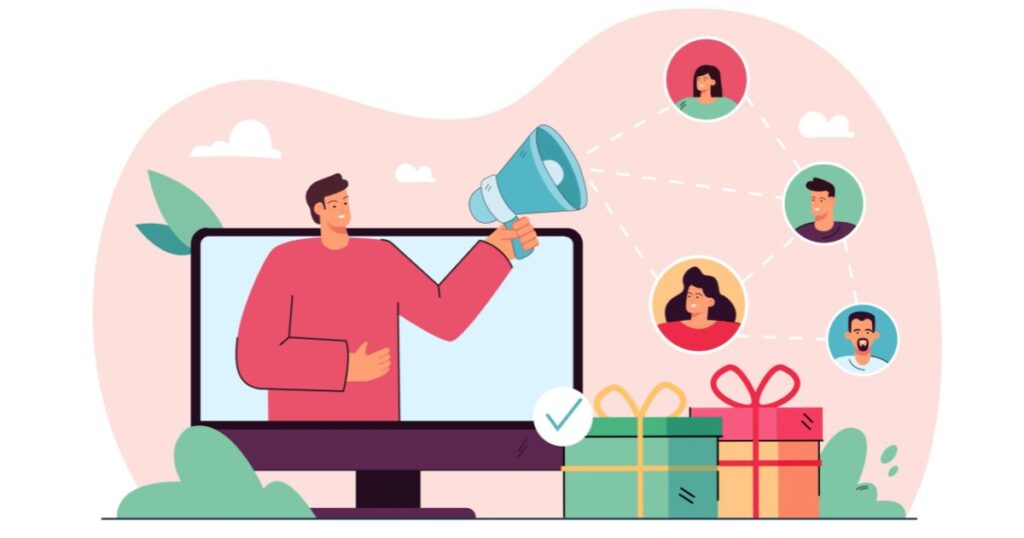
Word of mouth is the most trusted form of marketing. A structured referral program turns that organic behavior into a repeatable system. Customers spend 50% more with businesses that regularly respond to reviews and engage their existing base.
Simple referral programs for small businesses:
- A discount for both the referring customer and the new customer
- A punch card or points-based loyalty system for repeat purchases
- Digital referral tracking through tools like ReferralCandy or built-in e-commerce features
Loyal customers who refer others have a much higher lifetime value than customers acquired through paid ads. Building this channel into your small business digital marketing plan is one of the smartest long-term investments you can make.
Budgeting for Digital Marketing: Spend Like an Investor, Not a Cost Center
Most small businesses treat marketing as a cost. The moment you track results, it becomes an investment with a measurable return. Businesses earn an average of $5 for every $1 invested in digital marketing. 94% of small businesses plan to increase their marketing spend in 2025.
Here is a practical budget framework for online marketing for small businesses:
Starting budget (under $1,500/month) Focus on one or two channels. Local SEO and Google Business Profile require more time than money and build long-term returns. Add a small PPC budget ($500 to $800 per month) to generate leads while organic presence grows.
Growth budget ($1,500 to $5,000/month) Add paid social advertising to expand audience reach. Invest in content marketing with two to four blog posts per month. Start building an email list with a lead magnet or opt-in offer.
Scale budget ($5,000+ per month) Diversify across SEO, PPC, social ads, email automation, and video. Test new channels with a portion of your budget. Reinvest a percentage of proven campaign returns to scale what is working.
Four numbers every small business should track:
- Cost per lead: How much you spend to generate one inquiry
- Cost per acquisition: How much to acquire one paying customer
- Customer lifetime value: Total revenue from an average customer over time
- Return on ad spend: Revenue generated per dollar spent on paid campaigns
83% of marketing leaders say demonstrating ROI is their top priority, yet only 36% say they can accurately measure it. If you cannot answer these four questions, setting up tracking is the first priority before spending another dollar.
Your 90-Day Digital Marketing Strategy Blueprint
A real plan you can start this week. Your progress saves automatically.
📅 Month 1: Audit & Define
Review your current standing, figure out exactly who you are targeting, and focus your efforts on a single objective.
🛠️ Month 2: Build a Simple Plan
Avoid overwhelm by selecting just two avenues that align perfectly with the single goal you set in Month 1.
🚀 Month 3: Execute & Measure
This is the execution phase. Give your plan time to breathe and collect enough data to make informed decisions.
💡 The Golden Rule of Digital Marketing
The businesses that grow are not the ones who get it right the first time. They are the ones who test, learn, and adjust faster than their competitors.
Common Mistakes That Undermine Small Business Digital Marketing
Picking channels before defining the audience. The channel is the vehicle. Without knowing who you are reaching and what they need, the vehicle goes nowhere.
Expecting fast results from long-term channels. SEO and content marketing take 6 to 12 months to produce significant results. Stopping them after six weeks because nothing happened yet is the most common and costly mistake in small business digital marketing.
Ignoring conversion optimization. Driving traffic to a website that does not convert is like filling a bucket with a hole in it. Every traffic channel performs better when the destination page is built to convert visitors into leads. Only 22% of businesses are satisfied with their current conversion rates.
Tracking vanity metrics. Likes and follower counts feel good but do not pay bills. Track leads, cost per lead, and revenue generated. Everything else is secondary.
Inconsistency. A consistent presence on two channels beats a scattered presence on six. Show up regularly and both your audience and search algorithms will reward it.
Why Professional Support Gets You There Faster
Building and running an online business strategy while also running daily operations is genuinely difficult. It requires strategic planning, technical execution, creative output, and ongoing analysis. Doing all of it well takes significant time.
Working with a specialized agency gives you access to expertise across every channel without the cost of a full in-house team. More importantly, it gives you accountability. Every channel is tracked, reported on, and optimized regularly. Your marketing investment compounds instead of stagnating.
The right partner does not just run campaigns. They build the system that makes every future campaign smarter and more efficient.