


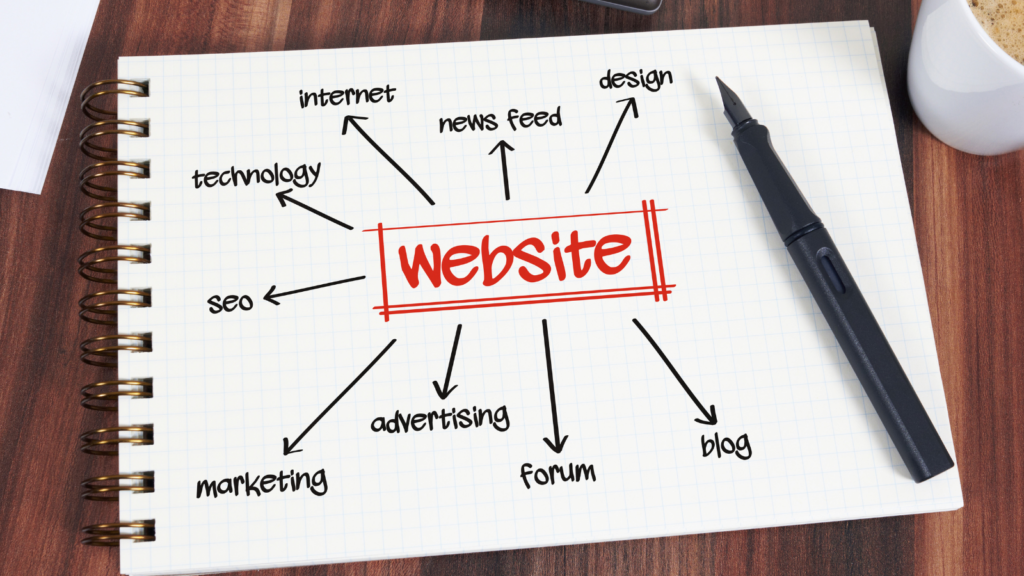
For many business owners, getting website traffic feels like a major accomplishment. You invest in social media, SEO, Google Business Profile optimization, paid ads, and content marketing to attract visitors to your site. But traffic alone does not grow a business. What truly matters is turning those visitors into paying local customers.
This is where local business website conversion becomes critical.
A website should not simply look attractive. It should guide visitors toward taking action, whether that means calling your business, requesting a quote, scheduling an appointment, filling out a form, or visiting your physical location. Without a conversion strategy, even a high-traffic website can struggle to generate meaningful revenue.
For business owners entering the world of digital marketing, understanding how to improve local business website conversion can create a major competitive advantage. This guide explains the key strategies that help local businesses turn online traffic into real-world customers.
What Is Local Business Website Conversion?
Local business website conversion refers to the process of turning website visitors into leads, inquiries, appointments, purchases, or customers within a specific geographic area.
A conversion can include:
- Phone calls
- Contact form submissions
- Appointment bookings
- Store visits
- Quote requests
- Online purchases
- Email signups
- Service inquiries
For local businesses, conversions are often tied directly to nearby customers searching for immediate solutions.
A roofing company, restaurant, dental office, contractor, or retail store may all define conversions differently, but the goal remains the same: turning online attention into measurable business growth.
Why Website Conversion Matters More Than Traffic
Many business owners focus heavily on website traffic numbers. While traffic matters, conversion rate is often far more important.
For example:
- Website A receives 10,000 visitors but converts only 0.5%
- Website B receives 2,000 visitors but converts 10%
Website B produces significantly more leads and customers despite lower traffic.
Strong local business website conversion strategies help businesses maximize the value of every visitor instead of constantly chasing more clicks.
Understanding Local Customer Behavior
Local customers behave differently from general online shoppers.
Most local searches happen when users:
- Need immediate services
- Compare nearby businesses
- Look for reviews
- Search on mobile devices
- Want fast answers
- Need trust before contacting a company
This means local business websites must focus on:
- Clarity
- Trust
- Convenience
- Speed
- Easy communication
A complicated or confusing website can quickly lose potential customers to competitors.
The Importance of First Impressions
Visitors form opinions about a website within seconds.
Your homepage should immediately communicate:
- What your business does
- Who you serve
- Where you operate
- Why customers should trust you
- What action visitors should take next
For effective local business website conversion, businesses should avoid cluttered layouts, outdated visuals, slow loading times, and confusing messaging.
A clean, professional website creates confidence and encourages visitors to stay longer.
Mobile Optimization Is Essential
Most local searches now happen on mobile devices.
If your website is difficult to navigate on a phone, visitors may leave immediately.
Mobile-friendly websites should include:
- Fast loading speeds
- Easy navigation
- Click-to-call buttons
- Readable text
- Simple forms
- Clear service information
Improving mobile usability is one of the fastest ways to strengthen local business website conversion performance.
Clear Calls-to-Action Increase Conversions
Visitors should never have to guess what to do next.
Strong calls-to-action (CTAs) guide users toward conversion actions such as:
- Call now
- Request a free estimate
- Schedule an appointment
- Book online
- Contact our team
- Get started today
Effective CTAs should:
- Be visible
- Use action-oriented language
- Appear throughout the site
- Stand out visually
- Match customer intent
Without strong CTAs, many potential customers leave without taking action.
Building Trust With Website Visitors
Trust is one of the most important elements of local business website conversion.
Local customers want reassurance before choosing a company.
Trust-building elements include:
- Customer reviews
- Testimonials
- Before-and-after photos
- Certifications
- Awards
- Business licenses
- Years of experience
- Team photos
- Local community involvement
Displaying trust signals throughout the website helps reduce hesitation and improve conversion rates.
Why Local SEO Supports Website Conversion
Local SEO and conversion optimization work together.
Ranking well in search engines helps attract traffic, but targeted local traffic is far more valuable than broad, unrelated visitors.
Strong local SEO includes:
- City-specific service pages
- Google Business Profile optimization
- Local keywords
- Consistent contact information
- Customer reviews
- Local backlinks
Businesses that improve both SEO and local business website conversion often achieve stronger long-term growth.
Service Pages Should Focus on Customer Needs
Many local business websites make the mistake of focusing too much on the company instead of the customer.
Effective service pages should answer:
- What problem does this service solve?
- Why does it matter?
- How does the process work?
- Why should customers trust your company?
- What should visitors do next?
Clear and helpful service pages improve both SEO performance and conversion rates.
Speed Matters More Than Most Businesses Realize
Website speed directly affects user behavior.
Slow-loading websites often experience:
- Higher bounce rates
- Lower engagement
- Reduced search rankings
- Fewer conversions
Improving loading speed can significantly improve local business website conversion results.
Ways to improve speed include:
- Compressing images
- Reducing unnecessary plugins
- Optimizing code
- Using reliable hosting
- Improving mobile performance
Even a few seconds of delay can reduce conversions.
Contact Information Should Be Easy to Find
Local customers often want immediate communication.
Your website should clearly display:
- Phone number
- Business address
- Business hours
- Contact forms
- Service areas
Many businesses lose potential leads simply because visitors cannot quickly find contact details.
For stronger local business website conversion, contact information should appear prominently throughout the website.
Online Reviews Influence Conversion Decisions
Reviews heavily influence local buying decisions.
Positive reviews provide:
- Social proof
- Credibility
- Trust
- Reassurance
Businesses should actively encourage satisfied customers to leave reviews on:
- Yelp
- Industry platforms
Displaying reviews directly on your website can also improve conversion rates.
Visual Content Helps Build Confidence
Photos and videos help visitors connect with your business.
Useful visual content includes:
- Team photos
- Office photos
- Service process videos
- Project galleries
- Customer testimonials
- Before-and-after images
Visual proof often increases trust faster than text alone.
Businesses focused on local business website conversion should prioritize authentic visuals over generic stock images whenever possible.
Why Local Landing Pages Matter
Businesses serving multiple cities or regions should create location-specific landing pages.
These pages help target:
- Local search intent
- City-specific keywords
- Nearby customer concerns
Strong location pages improve:
- Search visibility
- Relevance
- Conversion potential
For example, a contractor serving multiple towns should create separate pages tailored to each location rather than relying on one generic services page.
Forms Should Be Simple
Long or complicated forms often reduce conversions.
Most local business websites should ask only for essential information such as:
- Name
- Phone number
- Service request
Shorter forms generally improve local business website conversion performance by reducing friction.
The Role of Content Marketing
Educational content helps businesses attract and convert customers.
Blogs, guides, FAQs, and educational resources help:
- Build authority
- Improve SEO
- Answer customer questions
- Increase trust
- Encourage engagement
Content marketing works especially well for service-based businesses because it positions the company as a knowledgeable local expert.
Why Consistent Branding Matters
A consistent brand identity creates professionalism and recognition.
Your:
- Colors
- Logo
- Messaging
- Tone
- Visual style
- Fonts
should remain consistent across your:
- Website
- Social media
- Ads
- Emails
- Print materials
Strong branding improves customer confidence and strengthens local business website conversion efforts.
Chat Features and Instant Communication
Many customers expect quick responses.
Website chat tools can help:
- Answer questions immediately
- Capture leads faster
- Improve customer experience
- Increase engagement
Live chat or AI-assisted chat systems can improve conversion opportunities, especially for businesses that receive frequent inquiries.
Why Analytics Matter
Tracking website performance helps businesses understand:
- Where visitors come from
- Which pages convert best
- Where users leave
- What content performs well
Important metrics include:
- Conversion rate
- Bounce rate
- Time on site
- Click-through rates
- Form submissions
- Call tracking
Businesses focused on improving local business website conversion should regularly analyze performance data and adjust strategies accordingly.
Retargeting Helps Recover Lost Visitors
Most visitors do not convert on their first visit.
Retargeting ads help businesses reconnect with users who previously visited the website.
These campaigns can:
- Increase brand recall
- Encourage return visits
- Improve conversion rates
- Support long sales cycles
Retargeting works especially well for higher-cost services where customers need more time before making decisions.
Why Professional Website Design Matters
DIY websites may save money initially, but poor design often hurts conversions.
Professional website design improves:
- User experience
- Visual credibility
- Navigation
- Mobile responsiveness
- SEO structure
- Conversion optimization
Businesses investing in professional web design often see stronger local business website conversion results over time.
Common Website Conversion Mistakes
Many local businesses unintentionally reduce conversions through avoidable mistakes.
Common issues include:
- Slow websites
- Outdated designs
- Missing CTAs
- Difficult navigation
- Weak mobile performance
- Generic content
- Poor-quality visuals
- Lack of reviews
- Confusing messaging
Fixing these issues can dramatically improve lead generation.
Social Media and Website Conversion
Social media can support website conversions by:
- Driving targeted traffic
- Building trust
- Increasing visibility
- Promoting content
- Encouraging engagement
However, social media should guide users back to conversion-focused website pages rather than functioning as the only marketing platform.
Email Marketing Supports Conversion Growth
Email marketing remains one of the most effective tools for nurturing leads.
Businesses can use email campaigns to:
- Follow up with prospects
- Share promotions
- Offer educational content
- Encourage repeat business
- Request reviews
Email marketing supports long-term local business website conversion strategies by keeping businesses connected with potential customers.
The Importance of Local Identity
Local businesses have an advantage that national companies often lack: community connection.
Your website should reflect:
- Local knowledge
- Community involvement
- Regional expertise
- Familiarity with local customer needs
Local-focused messaging helps visitors feel more connected and comfortable working with your business.
Conversion Optimization Is Ongoing
Website optimization is not a one-time project.
Successful businesses continually:
- Test CTAs
- Improve content
- Analyze performance
- Update visuals
- Monitor user behavior
- Improve SEO
- Refine messaging
Small adjustments over time can produce major improvements in conversion performance.
Why Digital Marketing Is Worth the Investment
Some business owners hesitate to invest in digital marketing because results may not happen overnight. However, a strong website combined with effective conversion strategies can create sustainable long-term growth.
Improving local business website conversion helps businesses:
- Generate more qualified leads
- Increase revenue
- Reduce wasted marketing spend
- Build stronger customer relationships
- Improve local visibility
- Strengthen brand reputation
A well-optimized website often becomes one of the most valuable marketing assets a business owns.
Final Thoughts on Local Business Website Conversion
Getting traffic to your website is only the beginning. The real success comes from turning those visitors into loyal local customers. Businesses that focus on user experience, trust-building, mobile optimization, SEO, and clear communication often see stronger results than businesses focused only on traffic numbers.
For business owners entering digital marketing, understanding local business website conversion is one of the most valuable steps toward long-term growth. A conversion-focused website helps maximize every marketing effort while creating better experiences for potential customers.
At 99 Creatives, businesses receive strategic support designed to improve online visibility, website performance, and customer conversion. From SEO and content creation to web design and digital marketing strategy, building a website that converts visitors into customers is essential for modern business growth.